Aug 6, 2026
How to Store Methylcobalamin Bulk Powder Without Degradation?
Methylcobalamin, the physiologically active coenzyme form of vitamin B12, is one of the most precious substances in the nutraceutical supply chain, but has a reputation for being infamously fragile. Manufacturers and formulators that buy Methylcobalamin bulk powder have a mission-critical need to maintain potency from manufacturing to final dosage form of Methylcobalamin bulk powder. Methylcobalamin, unlike synthetic cyanocobalamin, has a cobalt-to-methyl axial bond that is inherently photolabile — studies show that unprotected Methylcobalamin bulk powder solutions can lose over 44% of potency in as little as five minutes of fluorescent lighting, and up to 83% in fifteen minutes. However, when stored under appropriate storage methods, packaging discipline, and supply chain controls, Methylcobalamin bulk powder may maintain its characteristic deep red crystalline appearance and ≥99.0% HPLC-assayed purity for its complete 24-month shelf life. In this guidance, available stability data and industry best practices are used to enable nutraceutical experts to build a storage system that protects every gram of Methylcobalamin bulk powder from deterioration.
Understanding Methylcobalamin and Why Proper Storage Matters
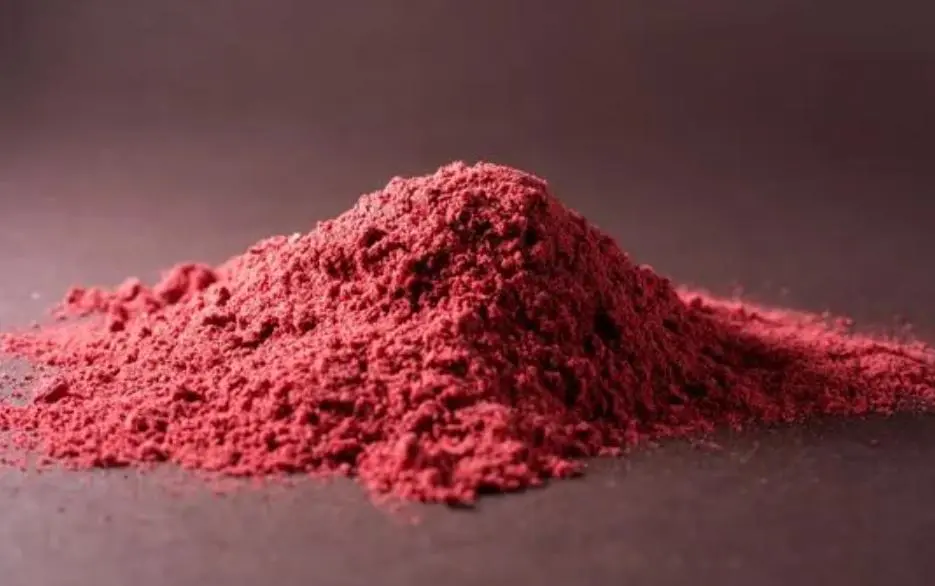
Methylcobalamin CAS 13422-55-4 Molecular Weight 1344.38 g/mol Description Dark red crystalline powder Purity ≥99.0% by HPLC 100% pass 80 mesh It is the natural form of vitamin B12, so it does not need to be converted in the liver and may be immediately absorbed to help make red blood cells, assist the nervous system, and help produce energy. However, this direct bioactivity is compromised by structural fragility that necessitates strict storage discipline at every level of handling.
Chemical Susceptibility of Methylcobalamin Bulk Powder
Methylcobalamin bulk powder has a chemical framework in which a cobalt(III) ion is coupled to a corrin macrocycle and a methyl group as the upper axial ligand. The cobalt-methyl sigma bond is responsible for the biological activity of this compound, as well as its extraordinary photosensitivity: upon exposure to visible and UVA light, Co(III) is reduced to Co(II) and a methyl radical is released, causing homolytic breakage of the Co–C bond. The resultant cob(II)alamin is promptly oxidised to hydroxocobalamin, another breakdown product with an orange-brown colour. Spectroscopic tests also indicated that Methylcobalamin bulk powder was sensitive to heat stress, as forced degradation testing showed loss of about 50% efficacy at 120°C in 30 minutes. Gentle handling is an underestimated but important storage factor, since even mechanical stress from strong shaking or sonication may impart enough energy to rupture the delicate Co–C bond in Methylcobalamin bulk powder.
Degradation Pathways and Recognition Signs
The principal degradation pathway for Methylcobalamin bulk powder is photodegradation, which proceeds by zero-order kinetics under continuous UV exposure with a reported half-life of roughly one hour at 1971 lux. The hydrolytic breakdown is faster in acidic situations (below pH 4.0) and alkaline environments (above pH 7.0), with the maximal susceptibility at pH 2.0. Also, incompatible chemicals lead to oxidative deterioration- ascorbic acid, thiamin, Thiamin and Niacin have been experimentally shown to cause decomposition of Methylcobalamin bulk powder by more than 30%. The easiest way to tell whether it has gone bad is a colour change. whether the Methylcobalamin bulk powder is consistently dark red, whereas degraded material ranges from pinkish-red to orange-brown. Confirmatory HPLC analysis with purity less than 99.0%, new related-substance peaks, or loss on drying more than 2.0% are definite analytical indicators of compromised Methylcobalamin bulk powder. Such compromised bulk powder should not be permitted in final formulations.
Critical Storage Parameters for Methylcobalamin Bulk Powder
Three environmental factors — light, temperature, and moisture — form the trinity of degradation drivers for Methylcobalamin bulk powder. Controlling each with precision is essential for maintaining batch potency from receipt through formulation.
Absolute Light Exclusion for Methylcobalamin Bulk Powder
By far the most aggressive hazard to Methylcobalamin bulk powder is photodegradation. The results are shocking: Under ordinary lab fluorescent illumination, solutions lost 44.1% potency after five minutes. In solid powder, the molecules are less mobile, and the rate of degradation is slower than in solutions, but the intrinsic photolability is the same. Complete light exclusion is thus a must for Methylcobalamin bulk powder at all times. Packaging must be opaque and light-blocking materials: amber glass vials for laboratory amounts, and aluminium foil-laminated bags or sealed aluminium tins for commercial quantities. Install muted amber lighting instead of normal white fluorescent tubes in locations where materials are handled within the warehouse. The weighing and quality control sampling should be done quickly by the operators under low light settings. Methylcobalamin bulk powder should be returned to its protective container right after usage. Even short-term cumulative exposures during regular inventory checks may degrade the efficacy of Methylcobalamin bulk powder during a 24-month storage cycle.
Temperature Control Within the Safe Zone
Methylcobalamin bulk powder should be stored in a refrigerated condition (2-8°C). The thermal breakdown kinetics are much reduced in this temperature range, and the stated 24-month shelf life is consistently realised. The stability studies of high-dosage Methylcobalamin formulations held at 4°C and protected from light showed 96.4% and 91.6% potency after three and six months, respectively. Solid Methylcobalamin bulk powder degrades more slowly than liquid formulations, and refrigeration is the gold standard. Facilities without refrigeration capability may store Methylcobalamin bulk powder at regulated room temperature (15–25°C) in the absence of light. This method requires more regular re-testing at quarterly intervals. Temperature excursions > 40 °C must be completely avoided. Irreversible damage to Methylcobalamin bulk powder may occur due to extended exposure in unventilated shipping containers or in the vicinity of heat-producing equipment, even when packed in original packaging.
Moisture and Oxygen Management for Methylcobalamin Bulk Powder
Light and temperature are the main causes of deterioration, whereas moisture and oxygen act as accelerants. When the relative humidity is over 60 %, moisture absorption by hygroscopic materials may cause hydrolytic breakdown and can encourage microbial growth. The premium Methylcobalamin bulk powder standard for loss on drying is ≤2.0%. Breach of this limit indicates loss of container integrity. All storage containers should include pharmaceutical quality silica gel desiccant packets, usually 5-10 grams per kilogram of powder. Primary packaging may be vacuum sealed or nitrogen flushed before sealing to control oxygen exposure. Inert nitrogen should be used to flush the headspace, and an induction-sealed aluminium foil liner should be used under the screw cap. Operators should limit the frequency of opening containers at the warehouse level. Methylcobalamin bulk powder withdrawn for sample should never be returned to the main container to prevent cross-contamination and repeated exposure of Methylcobalamin bulk powder to atmosphere.
Supply Chain and Sourcing Best Practices for Methylcobalamin Bulk Powder
Methylcobalamin bulk powder storage protection is maintained all the way through the supply chain – from the manufacturer’s packing line, via international transportation, to the formulator’s receiving dock. The basic determinant of the performance of the storage procedures is the quality of the powder entering the warehouse.

Packaging Systems That Protect Methylcobalamin Bulk Powder
Methylcobalamin bulk powder is typically packaged in a three-layer standard industry packaging hierarchy. The first layer is a food-grade polyethylene or aluminium foil liner that is in direct contact with the powder. The second layer is a light-blocking aluminium foil laminate bag that provides the necessary opacity and moisture vapour barrier. The third layer is a rigid fibre or HDPE plastic drum that provides structural integrity during transport and stacking. For small-volume purchases, Methylcobalamin bulk powder is commonly packaged in 1kg sealed aluminium foil bags within protective cartons. The usual configuration for bulk shipments is a 25-kilogram drum with double-layer internal aluminium foil bags, each heat-sealed and nitrogen-flushed. The triple-barrier system guarantees the complete darkness of the inner Methylcobalamin bulk powder even in the case of exposure to warehouse lighting of the outer drum. Vacuum-sealed aluminium tins are also available from suppliers for amounts of 100 g to 1 kilogram, affording further protection since the hard metal does not have the pinholing dangers associated with flexible foil packaging during transportation.
Inventory Management and Quality Assurance
Good storage conditions are as important as good inventory management. The stated shelf life of Methylcobalamin bulk powder is 24 months in hermetically sealed conditions, protected from light and kept at a low temperature. When the container is opened, ambient oxygen and moisture enter the headspace, and the powder is used under compromised circumstances. Opened containers of Methylcobalamin bulk powder should be used within 90 days and retested at 30-day intervals to confirm ≥99.0% purity. Inventory systems must be strictly first-expiry-first-out and purchase orders must be based on actual consumption rates. Incoming inspection is required for every shipment of Methylcobalamin bulk powder upon arrival, which includes container integrity verification, colour evaluation against the reference standard, and confirmatory HPLC analysis. Supplier COA for each batch should include assay value, loss on drying, heavy metals profile (lead ≤2.0 ppm, arsenic ≤2.0 ppm, mercury ≤0.1 ppm, cadmium ≤1.0 ppm), microbiological limitations (total plate count ≤1000 CFU/g, E. coli and Salmonella negative). The HPLC test and visual examination should be repeated at 6, 12, 18 and 24 months as stability check points. Any lot of Methylcobalamin bulk powder that has a larger than 1.0% drop in purity or a visible colour change must initiate an out-of-specification inquiry.
Selecting the Right Supplier for Methylcobalamin Bulk Powder
Storage success is inseparable from getting good Methylcobalamin bulk powder from a skilled producer. The high-purity biofermentation and membrane separation and low-temperature recrystallisation combination results in a powder purity of 99.0%–99.99%, devoid of synthetic residues with intact active ingredients. Integrated producers that oversee the whole chain of production – extraction, fermentation, purification and final OEM – provide single-point traceability from raw material source to shipment. The appropriate partner offers flexible order structures: Free samples from 20 g to 1 kg for assessment purposes, minimum order quantities from 1 kg, and short trial runs for OEM projects. Certifications such as ISO 9001, ISO 22000, FDA registration, Kosher and Halal mean that manufacturing takes place inside a quality management system that ensures uniformity of processes. And then there’s temperature-controlled logistics – insulated, moisture-proof packaging for heat-sensitive actives, refrigerated containers with full monitoring for sea freight and multi-channel shipping options that ensure Methylcobalamin bulk powder maintains cold-chain integrity from factory to warehouse across international borders.
Conclusion
The integrated system for the storage of Methylcobalamin bulk powder in the absence of deterioration includes total light exclusion, chilled control at 2-8 degrees C, moisture and oxygen control using nitrogen-flushed triple barrier packaging, and stringent quality monitoring from reception to formulation. Methylcobalamin bulk powder can dependably fulfil its full 24-month shelf life at ≥99.0% purity with a high-purity and fermentation-made product from a recognised integrated source, and temperature-controlled logistics. The investment in efficient storage infrastructure is small compared to the expense of formulating with deteriorated actives. Keep the powder, and the powder will keep your brand.
FAQ
1. What is the single most important storage rule for Methylcobalamin bulk powder?
Absolute protection from light is the most critical rule. Methylcobalamin bulk powder is extraordinarily photolabile — even brief exposure to standard fluorescent or LED room lighting can initiate irreversible degradation. All storage containers must be opaque and light-blocking, handling should occur under subdued amber lighting, and containers must be re-sealed immediately after each use to preserve potency throughout the 24-month shelf life.
2. Can Methylcobalamin bulk powder be stored at room temperature?
Refrigerated storage at 2–8°C is the recommended gold standard, but Methylcobalamin bulk powder can be maintained at controlled room temperature (15–25°C) for shorter durations if light exclusion is absolute and containers remain hermetically sealed. This approach demands more frequent quality re-testing at least quarterly and shortens the practical working window. For storage exceeding six months, refrigeration is strongly advised.
3. How can I tell if my Methylcobalamin bulk powder has degraded?
The most reliable visual indicator is a color change from dark red to pinkish-red or orange-brown, indicating conversion to hydroxocobalamin. Confirmatory HPLC analysis showing purity below 99.0%, new related-substance peaks, or loss on drying above 2.0% are definitive analytical signs that the Methylcobalamin bulk powder has degraded and should not be used in finished formulations.
4. What packaging materials are best for Methylcobalamin bulk powder?
The optimal system uses a triple-barrier configuration: an inner food-grade PE or aluminum foil liner, a secondary light-blocking aluminum foil laminate bag for opacity and moisture protection, and a tertiary rigid fiber or HDPE drum for structural integrity. All primary packaging should be nitrogen-flushed to displace oxygen. For 1 kg quantities, sealed aluminum foil bags inside protective cartons are standard.
5. What is the shelf life and how can I maximize it?
The standard shelf life for premium Methylcobalamin bulk powder is 24 months when stored hermetically sealed, away from light, at 2–8°C with humidity below 60%. To maximize shelf life, keep containers unopened until needed, use FEFO rotation, re-test opened containers every 30 days, and never return sampled powder to the main container. Suppliers using nitrogen-flushed packaging and temperature-controlled logistics provide an additional stability margin.
Partner With a Trusted Methylcobalamin Supplier
Protecting the potency of your Methylcobalamin bulk powder starts with sourcing from a manufacturer who understands stability at every stage. Landnutra specializes in high-purity Methylcobalamin powder (≥99.0% by HPLC, CAS 13422-55-4, dark red crystalline powder) produced under ISO 9001 and ISO 22000 certified quality systems, with Kosher and Halal certifications available. We offer flexible order quantities from 1 kg trial batches to full container loads, free evaluation samples, and multi-channel temperature-controlled shipping worldwide — DHL, FedEx, and UPS for door-to-door small orders; air, sea, and rail for bulk freight. Every batch ships with a comprehensive COA documenting full impurity and microbiological profiles. Do not let storage uncertainty compromise your formulations. Contact our team today at femvora@landnutra.com to request a sample, discuss your specifications, or place an order for immediate dispatch from stock.
References
1. Ahmad, I., et al. "Photolysis of cyanocobalamin in aqueous solution." Journal of Pharmaceutical and Biomedical Analysis, vol. 10, no. 1, 1992, pp. 9–15.
2. Lie, A., Hadinata, M. V. Chandra-Hioe, and J. Arcot. "Sorbitol enhances the physicochemical stability of B12 vitamers." International Journal for Vitamin and Nutrition Research, vol. 90, no. 5–6, 2020, pp. 439–447.
3. Juzeniene, A., et al. "Photodegradation of cobalamins in aqueous solutions and in human blood." Journal of Photochemistry and Photobiology B: Biology, vol. 122, 2013, pp. 7–14.
4. National Center for Biotechnology Information. "PubChem Compound Summary for CID 6436232, Methylcobalamin." PubChem, U.S. National Library of Medicine, Bethesda, MD.
5. Green and White Analytical Approach for Parallel Quantification of Gabapentin and Methylcobalamin Using RP-HPLC Technique. Scientific Reports, vol. 15, 2025, Article 07056.
6. Dravyom Chemical Company. "Methyl Cobalamin USP/EP: Pharmaceutical API Stability and Handling Guide." Dravyom Technical Documentation, 2025.